Best Website Performance Measuring Tools
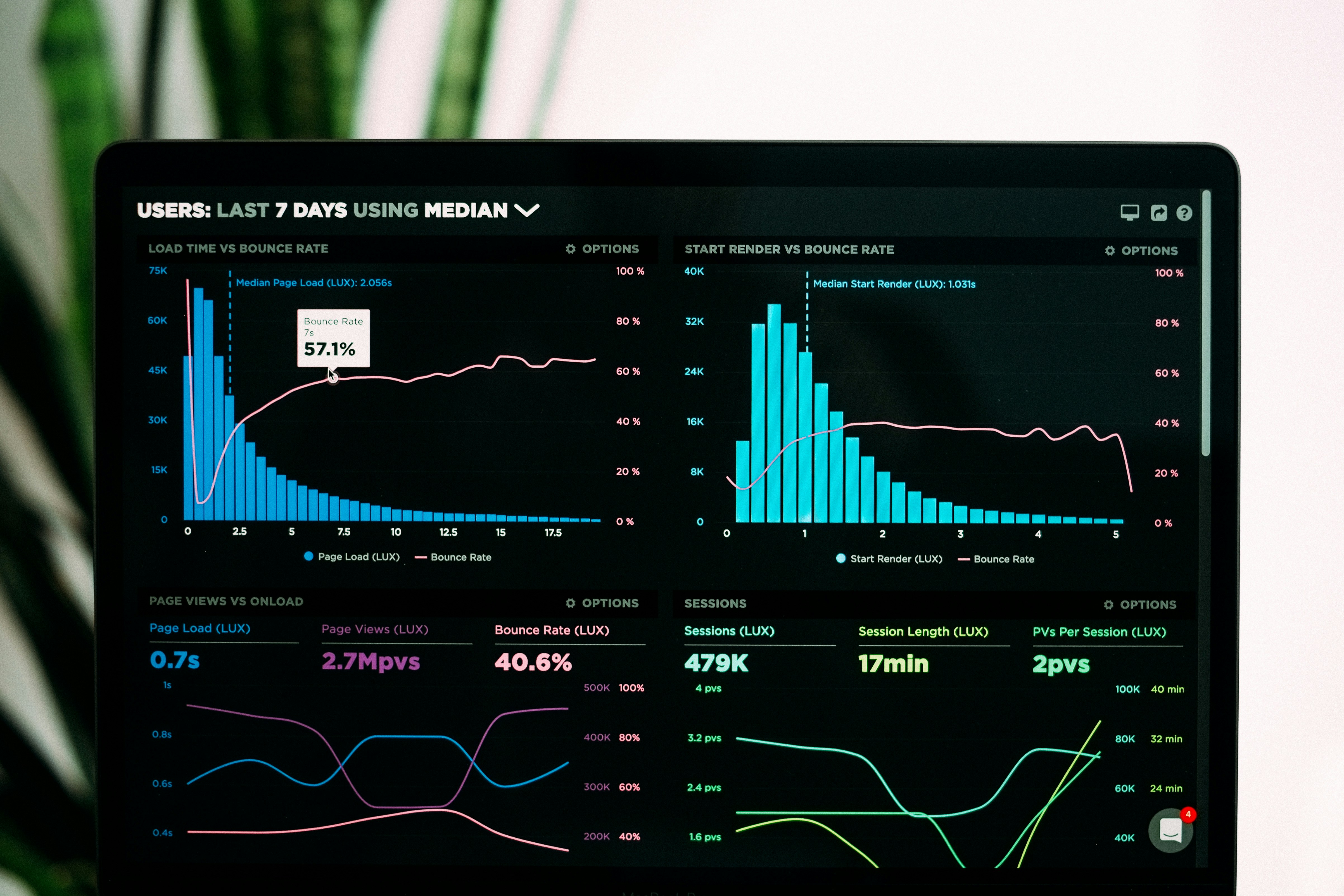
Website performance plays a major role in SEO, user experience, and conversions. Even a one-second delay can reduce user engagement significantly.
In this article, we explore the best website performance measuring tools you can use to analyze speed, server response, and overall performance.
Why Website Performance Is Important
- Faster websites rank better on Google
- Lower bounce rates
- Higher conversions
- Better user experience
Top Website Performance Testing Tools
1. Google PageSpeed Insights
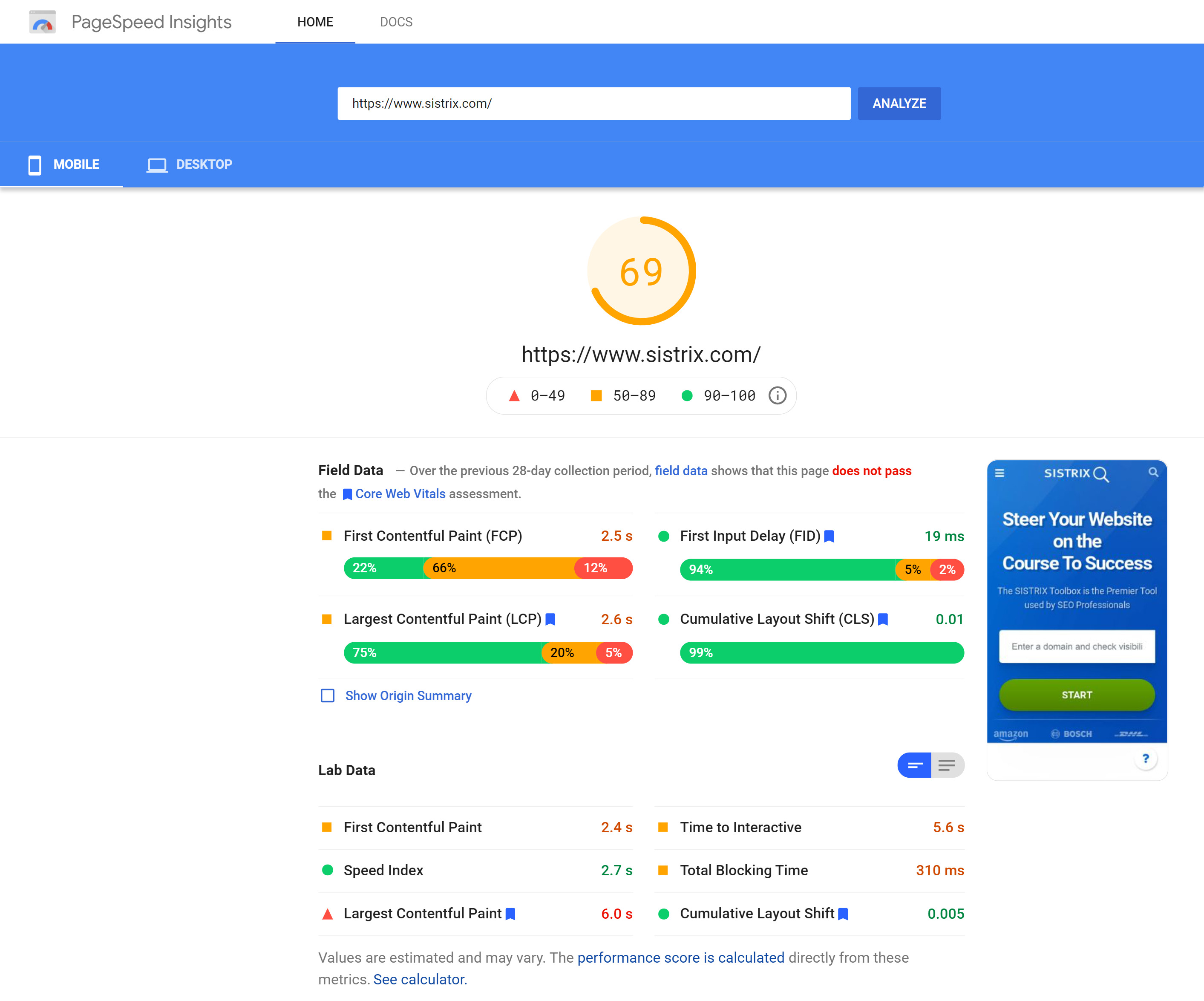
Google PageSpeed Insights analyzes your website using real-world data and lab testing, focusing on Core Web Vitals.
- Mobile & desktop speed scores
- Largest Contentful Paint (LCP)
- Cumulative Layout Shift (CLS)
- Interaction to Next Paint (INP)
2. GTmetrix
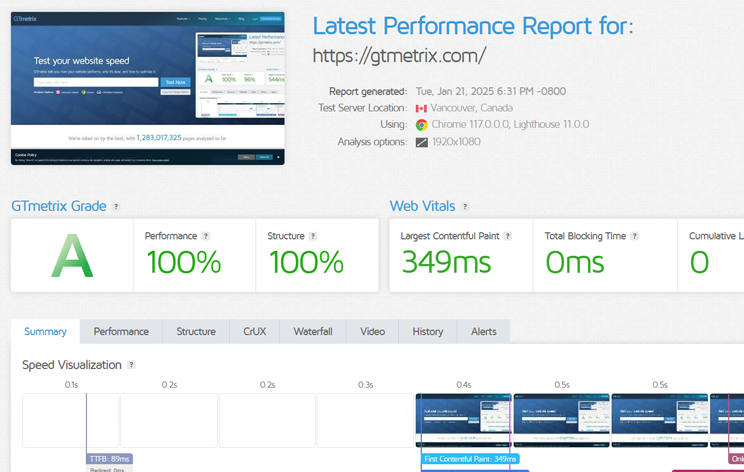
GTmetrix provides detailed insights into page load time, waterfall requests, and server performance.
- Time to First Byte (TTFB)
- Request waterfall analysis
- Performance structure score
3. WebPageTest

WebPageTest is ideal for advanced testing, allowing you to test from multiple locations and browsers.
- Speed Index
- Filmstrip loading view
- Advanced diagnostics
4. Pingdom Tools
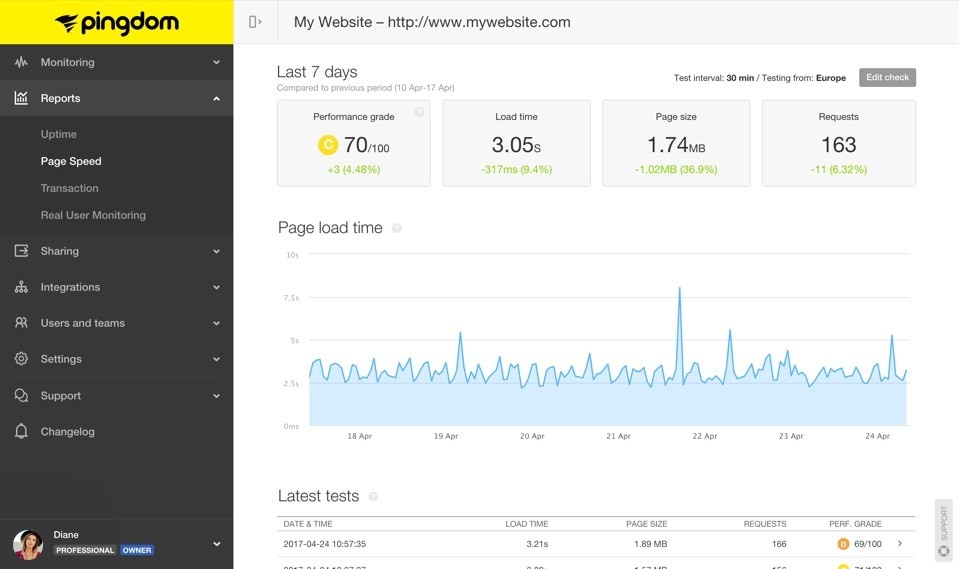
Pingdom offers quick performance tests and uptime monitoring with easy-to-understand reports.
- Load time analysis
- Performance grading
- Uptime monitoring
5. Lighthouse (Chrome DevTools)

Lighthouse is built into Chrome DevTools and is perfect for developers testing performance during development.
- Performance
- Accessibility
- SEO
- Best practices
Recommended Tool Combination
- ✅ PageSpeed Insights – SEO & Core Web Vitals
- ✅ GTmetrix – Server & backend performance
- ✅ Lighthouse – Development testing